

-
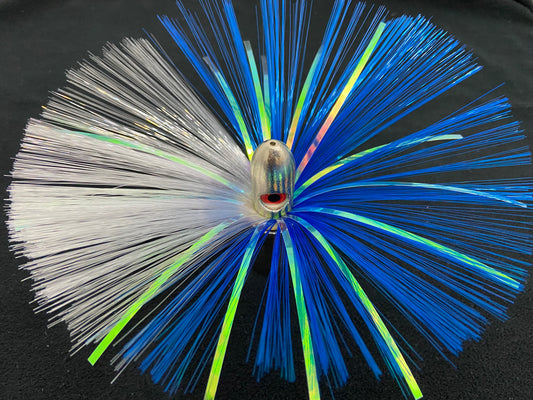
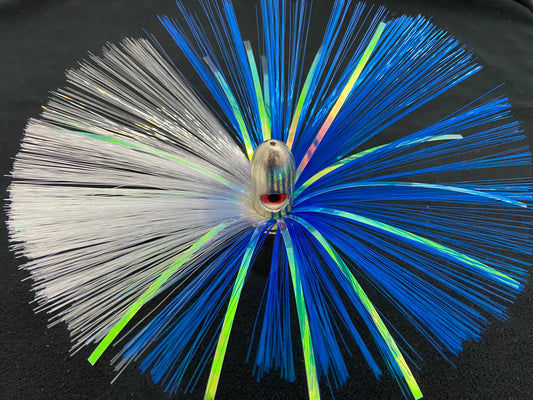
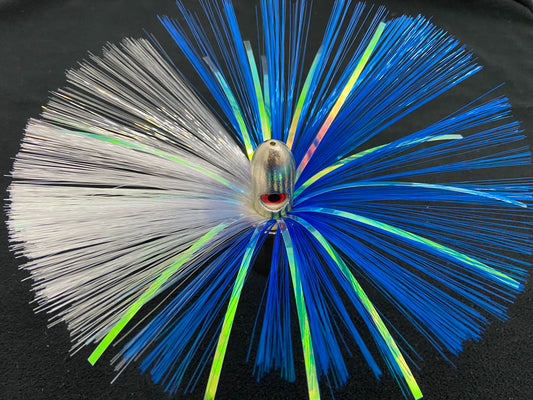
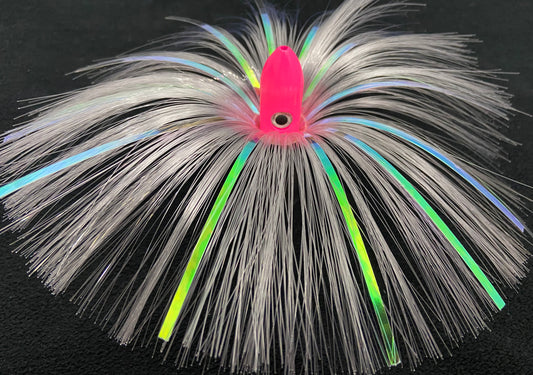
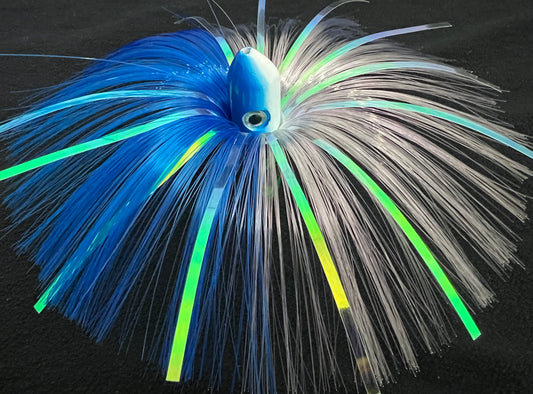
Bluefin Series 3oz
Regular price From $21.99Regular price -
Flatliner Series 8oz
Regular price From $32.98Regular price -
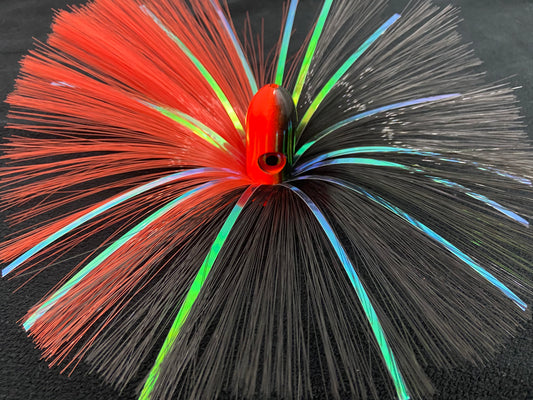
Deep 6 Series 5-3/4oz
Regular price From $26.95Regular price -
Keel Weighted Series 3oz
Regular price $21.98Regular price -
Keel Weighted Series 5oz
Regular price From $26.95Regular price -
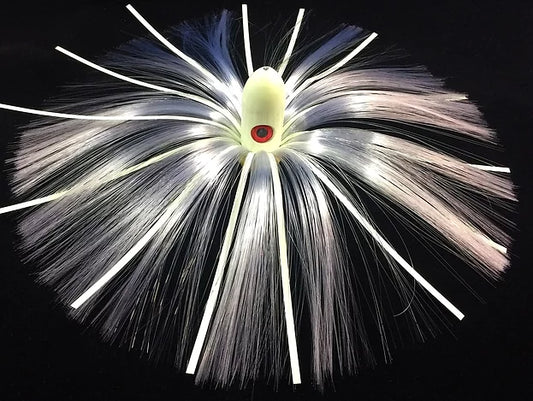
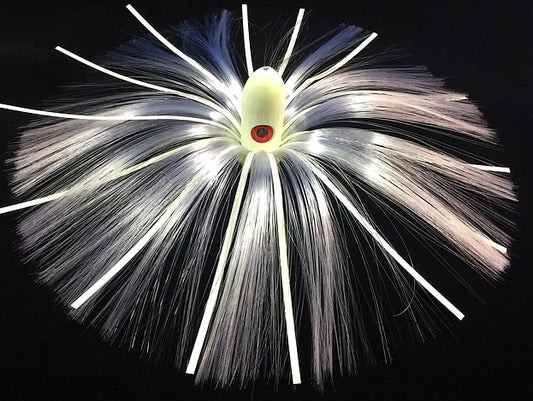
Glow in the Dark Series 8oz
Regular price $36.50Regular price -
Nickel Head Series 3oz
Regular price $24.95Regular price -
Glow in the Dark Series 3oz
Regular price $23.95Regular price -
Nickel Head Series 5oz Keel Weighted
Regular price $28.95Regular price -
Glow in the Dark Series 5-3/4oz
Regular price $28.95Regular price -
Joe Shute Nickel Head Series 8oz
Regular price $34.95Regular price -
Joe Shute rigged with Magic Ballyhoo
Regular price $64.99Regular price -
Joe Shute Nickel Head Series 5-3/4oz
Regular price $28.95Regular price -
Joe Shute Fish Finder Lantern Series 8oz
Regular price $37.95Regular price -
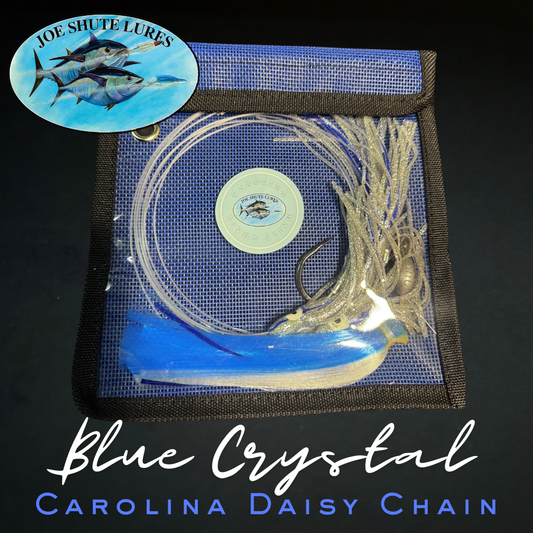
Joe Shute Carolina Daisy Chain
Regular price $69.99Regular price -
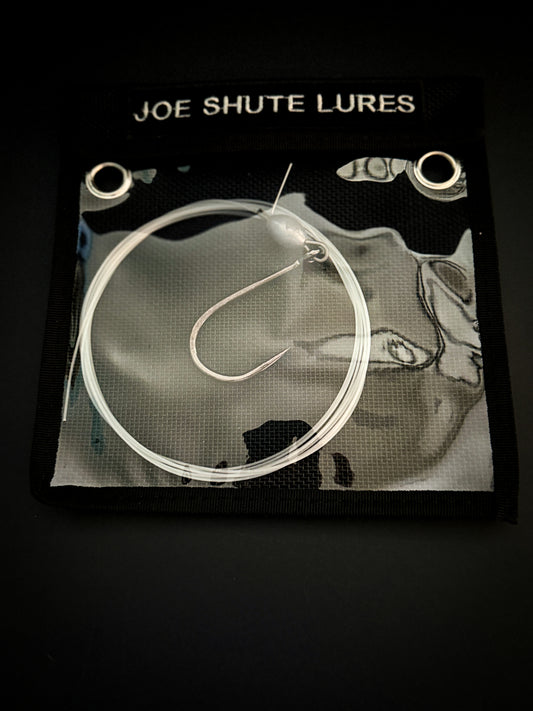
Pre Rigged Giant Bluefin Tuna Leader
Regular price $49.99Regular price -
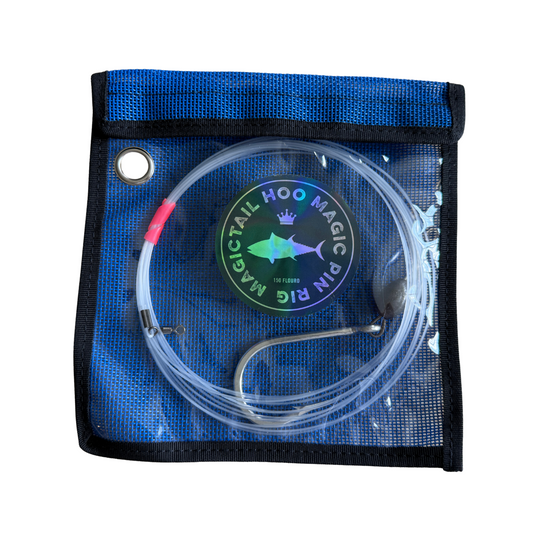
Pre-Made Ballyhoo Pin Rig
Regular price $39.99Regular price -
Joe Shute Fish Finder Lantern Series 3oz
Regular price From $27.95Regular price -
Joe Shute Fish Finder Lantern Series 5-3/4oz
Regular price From $29.95Regular price

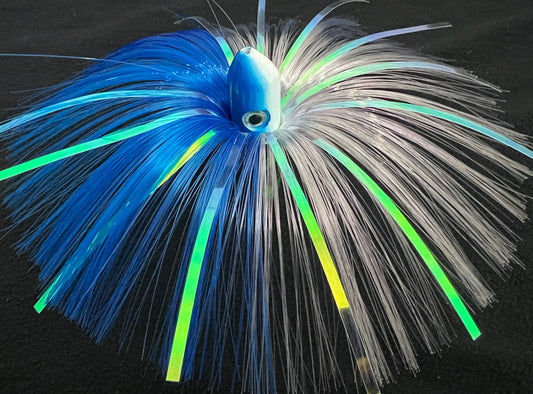

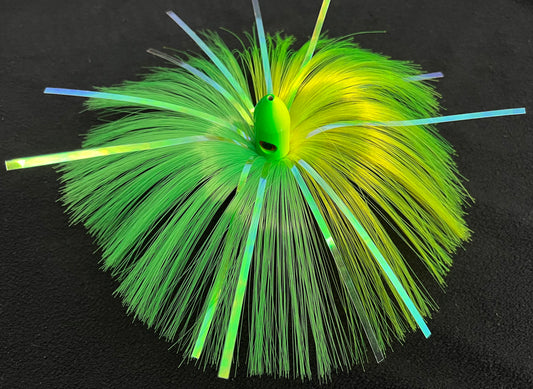

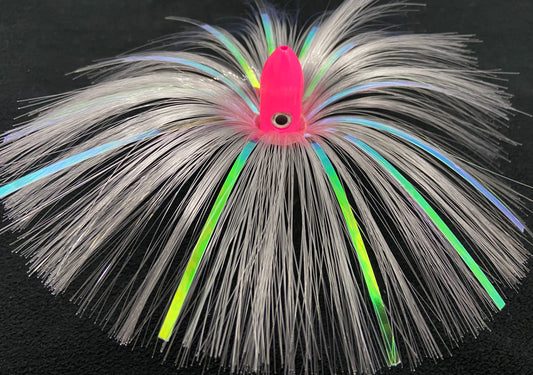

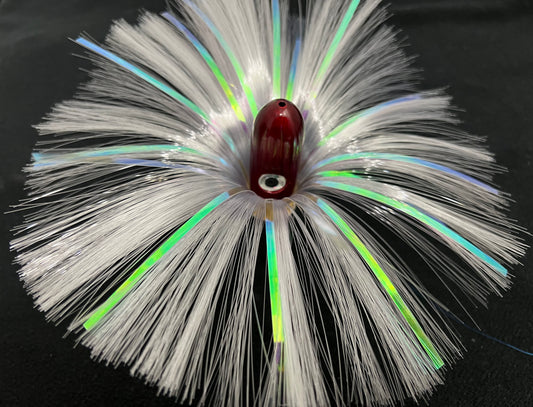

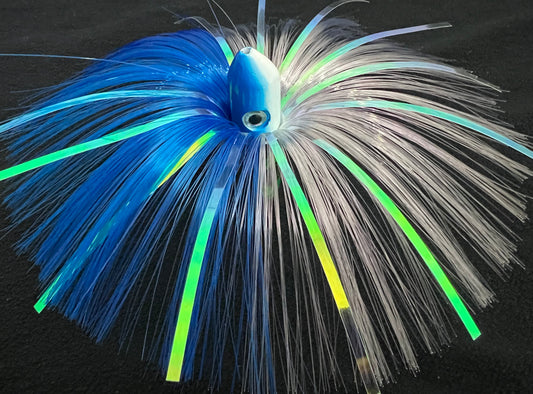

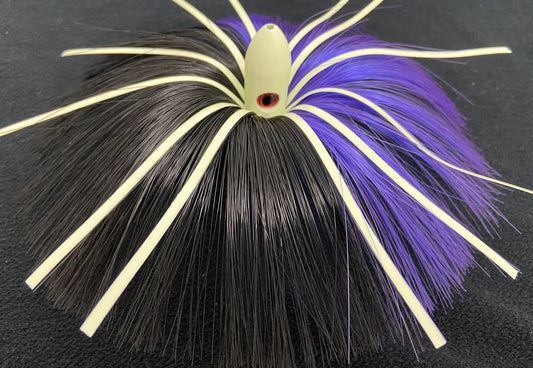
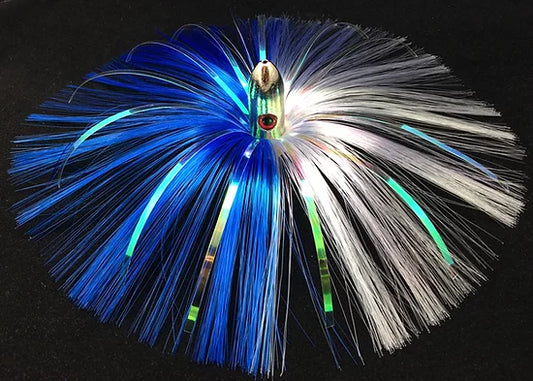
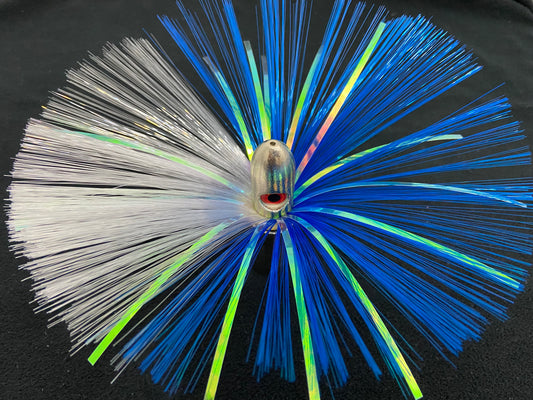










How to troll Joe Shutes for bluefin
Rigged ballyhoo under a weighted head is a mainstay of the bluefin troll. Salt Water Sportsman lists the flat lines, the long riggers and the shotgun as the preferred positions for weighted ballyhoo, mixed in among spreader bars, and notes that the heavier heads let a shotgun bait run far behind the spread, which works well on fussy bluefin.
Which weight
The 3 oz head is the original and the everyday choice on 50 and 80 lb outfits. Heads up to 8 oz earn their place in rough seas and on long shotgun baits. The Fisherman adds that heavier heads improve hookups on large fish because the weight keeps the lure from being pushed aside on the strike. Match the bait to the fish: the same article recommends horse ballyhoo for larger bluefin and bigeye.
How fast
Slower than you would troll for yellowfin. Capt. Kirk Fay, writing in The Fisherman, usually settles around 5 to 5.5 knots for bluefin and runs three 5 oz keel-weighted Joe Shutes with ballyhoo in his bluefin spread. For bluefin and bigeye, Salt Water Sportsman suggests opening the pattern up more than you would for yellowfin.
Know the rules
Atlantic bluefin are the largest of the tunas and are tightly managed. NOAA Fisheries requires a permit for recreational anglers, sets a 27 inch minimum size and adjusts retention limits during the season. Check the current limits before you go.
Straight answers
Before you rig up
What size Joe Shute should I use?
Start with 3 oz, the original weight. Salt Water Sportsman reports New Jersey captain Mark DeBlasio fishing mainly 3 oz keel-weighted heads on 50 and 80 lb outfits, and 1 to 2 oz heads on 20 and 30 lb class tackle for white marlin and yellowfin. Go heavier, up to 8 oz, in rough seas or for a shotgun bait set far back.
How fast should I troll a Joe Shute and ballyhoo?
Use speed as a starting point and watch the bait: it should swim, not spin. Writing in The Fisherman, Capt. Kirk Fay settles around 5 to 5.5 knots for bluefin and about 6 to 7.5 knots for yellowfin. FishTalk Magazine gives 6 to 7 knots as a rule of thumb whenever natural baits are in the spread.
Do I need a permit to fish for tuna?
Yes. In U.S. Atlantic waters recreational anglers need a federal permit to fish for bluefin and yellowfin tuna, and size and retention limits apply. Rules change during the season, so check NOAA Fisheries and the HMS Permit Shop before each trip.
- Hand-tied in the USAEvery skirt tied by hand
- 25+ yearsOn charter and tournament spreads
- Keel weightedBuilt to run upright, not spin
- 1 to 10 ozA head for every spot in the spread