

-
Bluefin Series 3oz
Regular price From $21.99Regular price -
Yellowfin Series 1oz
Regular price From $16.99Regular price -
Keel Weighted Series 3oz
Regular price $21.98Regular price -
Joe Shute Keel Weighted 1oz series
Regular price From $16.95Regular price -
Big Hole Series 2oz
Regular price From $20.95Regular price -
Nickel Head Series 3oz
Regular price $24.95Regular price -
Glow in the Dark Series 3oz
Regular price $23.95Regular price -
Nickel Head Series 5oz Keel Weighted
Regular price $28.95Regular price -
Glow in the Dark Series 1oz
Regular price $19.95Regular price -
Nickel Head Series 1oz
Regular price $20.95Regular price -
Joe Shute rigged with Magic Ballyhoo
Regular price $64.99Regular price -
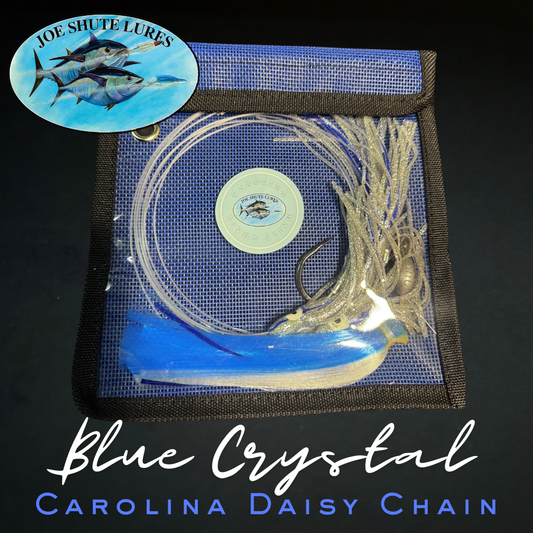
Joe Shute Carolina Daisy Chain
Regular price $69.99Regular price -
Joe Shute Fish Finder Lantern Series 1oz
Regular price From $25.95Regular price -
Pre-Made Ballyhoo Pin Rig
Regular price $39.99Regular price -
Joe Shute Fish Finder Lantern Series 3oz
Regular price From $27.95Regular price



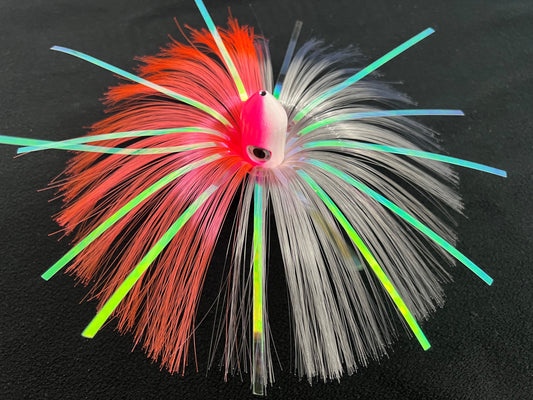

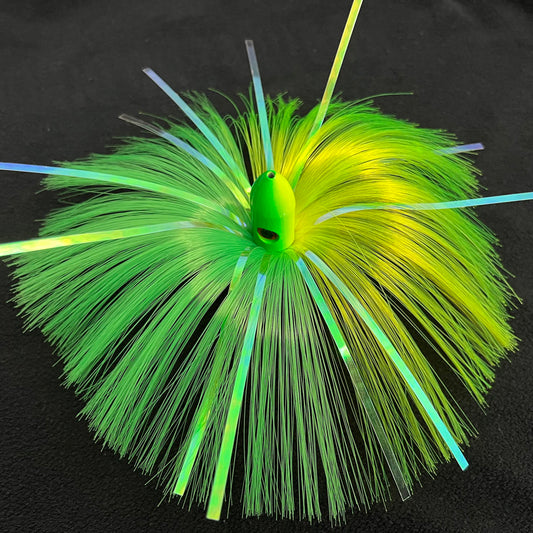
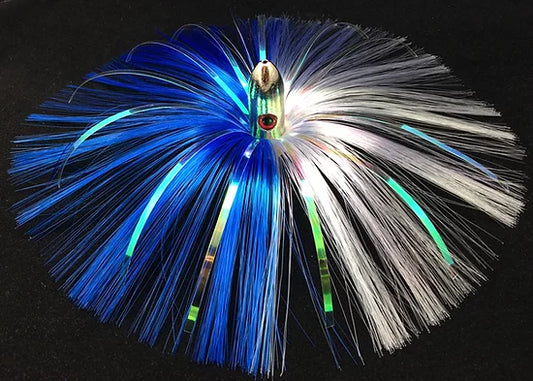
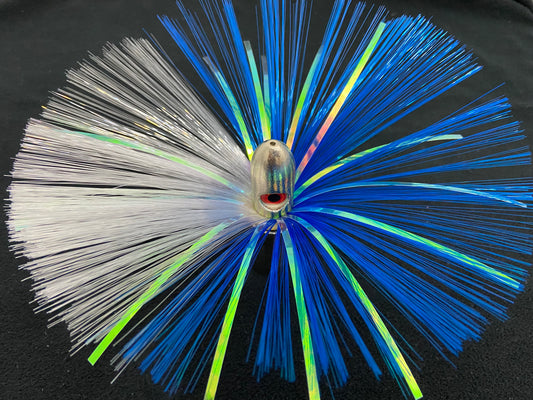

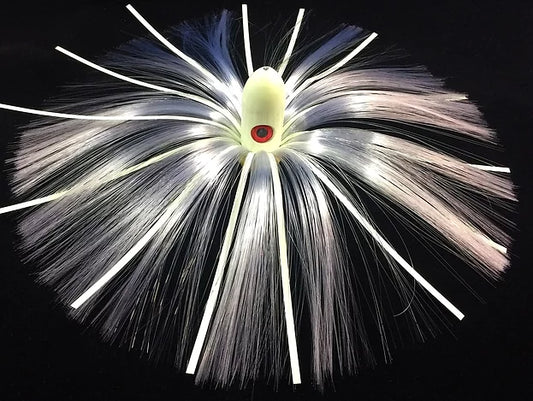

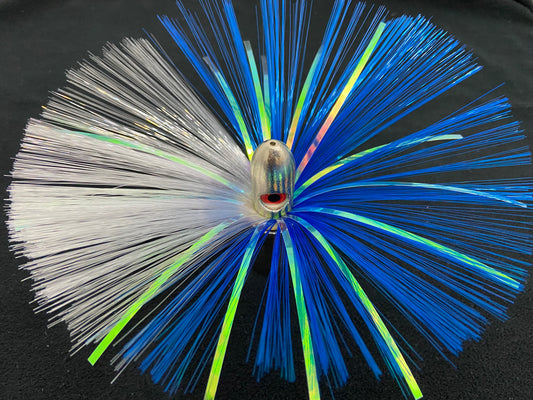
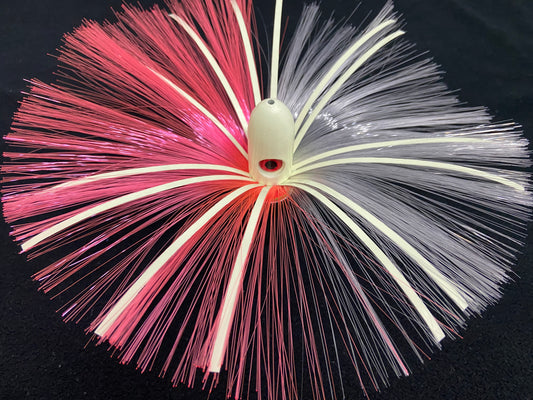
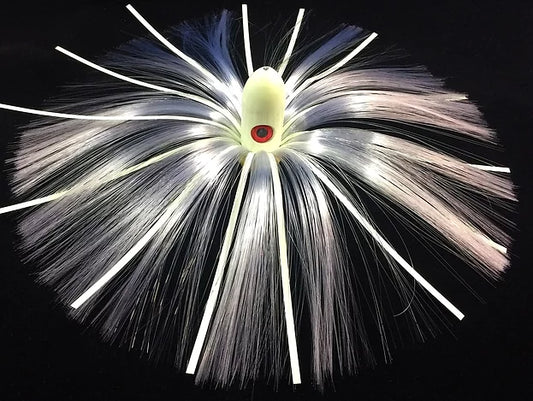





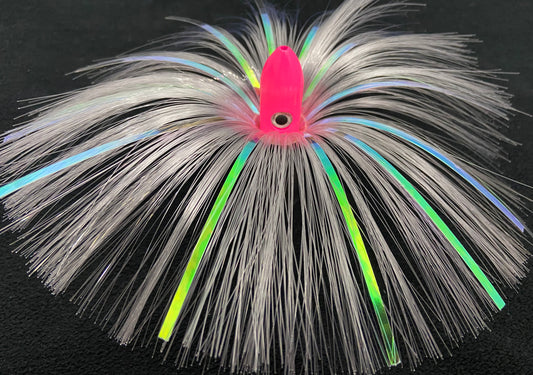

How to troll Joe Shutes for yellowfin
Canyon yellowfin call for lighter heads and a tighter pattern. Salt Water Sportsman describes the Yellowfin series, in 1 and 2 oz, as the choice for canyon fishing with small and medium ballyhoo, and recommends keeping the spread tight for yellowfin to encourage multiple hookups.
How fast
FishTalk Magazine gives 6 to 7 knots as a rule of thumb whenever natural baits are in the spread, and Capt. Kirk Fay in The Fisherman trolls yellowfin at about 6 to 7.5 knots. Whatever the number, the bait should look like it is swimming, not spinning.
Colors that produce
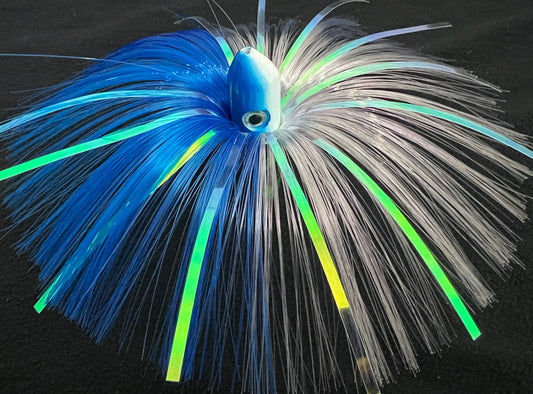
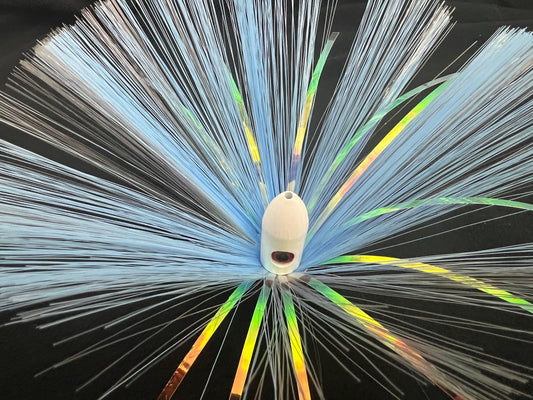
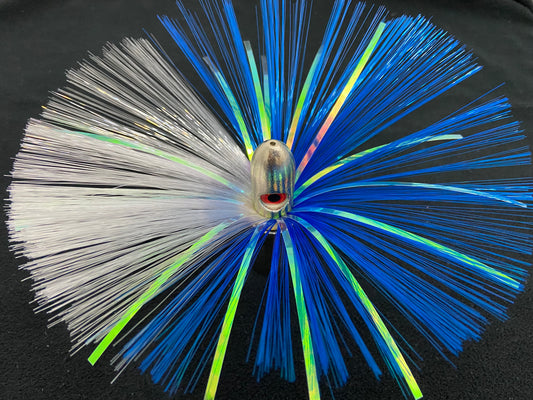
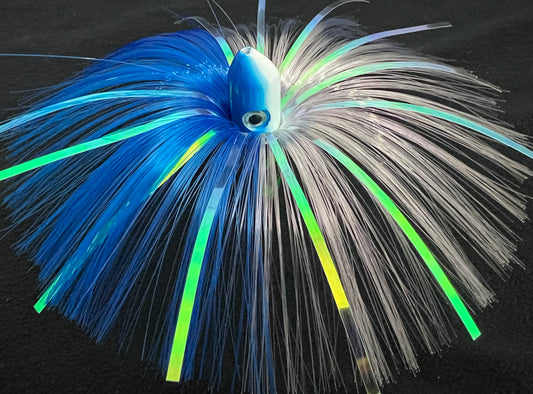
FishTalk Magazine calls a blue and white skirt over a medium ballyhoo a popular charter bait and lists green, pink and blue/white as consistent yellowfin colors, with black/purple for overcast days and early mornings.
Chains and stingers
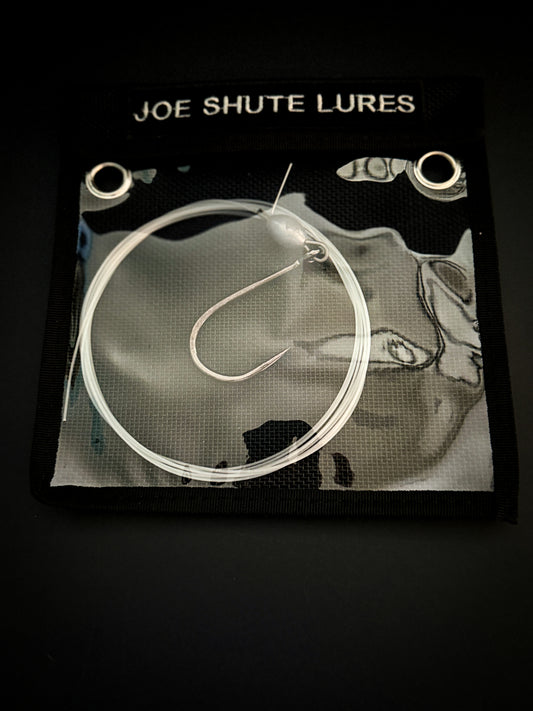
Daisy chains and spreader bars imitate feeding or fleeing bait, and tuna often pick off the bait trailing behind. A weighted ballyhoo run as the stinger also helps hold a bar near the surface in rough water, according to Salt Water Sportsman.
Straight answers
Before you rig up
What size Joe Shute should I use?
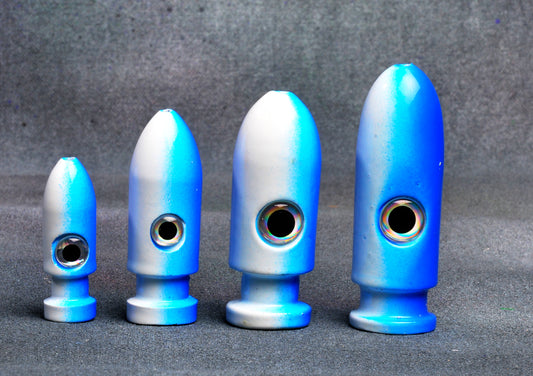
Start with 3 oz, the original weight. Salt Water Sportsman reports New Jersey captain Mark DeBlasio fishing mainly 3 oz keel-weighted heads on 50 and 80 lb outfits, and 1 to 2 oz heads on 20 and 30 lb class tackle for white marlin and yellowfin. Go heavier, up to 8 oz, in rough seas or for a shotgun bait set far back.
How fast should I troll a Joe Shute and ballyhoo?
Use speed as a starting point and watch the bait: it should swim, not spin. Writing in The Fisherman, Capt. Kirk Fay settles around 5 to 5.5 knots for bluefin and about 6 to 7.5 knots for yellowfin. FishTalk Magazine gives 6 to 7 knots as a rule of thumb whenever natural baits are in the spread.
What colors work best for tuna?
Preferences change by the day, so carry a spread of colors. FishTalk Magazine calls a blue and white skirt over a medium ballyhoo a popular charter bait, lists green, pink and blue/white as consistent for yellowfin, and suggests black/purple on overcast days and early mornings. In Salt Water Sportsman, Capt. Mark DeBlasio mostly trolls crystal hair mixed with Mylar and notes that dark colors tend to produce early and late in the day.
- Hand-tied in the USAEvery skirt tied by hand
- 25+ yearsOn charter and tournament spreads
- Keel weightedBuilt to run upright, not spin
- 1 to 10 ozA head for every spot in the spread